Effective Pest Control for Summer

Ascent Property Management • August 14, 2023

As temperatures rise, summer brings a surge of outdoor activities and vibrant landscapes. It also signals the arrival of unwelcome guests in the form of pests. Gross, we know. Today, we're talking about how to tackle these unwanted visitors. 

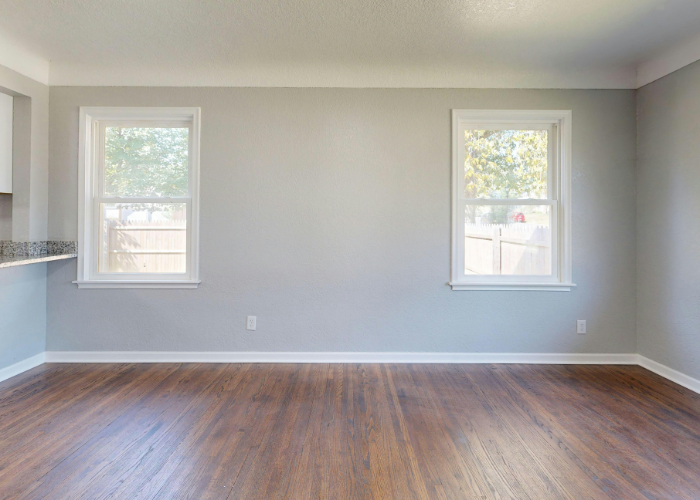
living room with windows

Preventive Measures

The first line of defense against pests is prevention. Seal cracks, gaps, or openings in walls, doors, and windows to block entry points into the property.


By conducting routine inspections of the property's exterior and interior, you can spot any potential issues before they become an issue.


Landscaping Maintenance

Trim bushes, trees, and shrubs that may provide easy access for pests to the property. For example, tree branches that touch the roofline provide an easy path for critters to crawl. 


Standing water can also be a breeding ground for mosquitoes, so eliminate any stagnant water.

man in protective suit spraying bushes

Professional Pest Control

Hiring professional pest control services to perform regular treatments and inspections can help identify and address pest issues effectively.


If your property allows pets, choose pest control methods that are safe for animals. Most professional companies will provide instructions regarding when it is safe for pets to be outside post-treatment.


Educating Tenants

Educate your tenants about their role in pest control. Provide them with guidelines on preventive measures and what to do if they encounter pest issues.


Different pests thrive during different seasons. Be aware of the common pests in your area during the summer months and tailor your strategies accordingly.


Promptly address any pest-related concerns raised by tenants. Taking quick action shows your commitment to maintaining a comfortable living environment.


Ascent Property Management

As you navigate the challenges and opportunities a season brings to property management, remember that Ascent Property Management is here to be your guiding light. 


Our expertise goes beyond the pages of this blog, and we're committed to helping you achieve seamless and successful property management. Schedule a free consultation today.
By Ascent Property Management February 25, 2026
The body content of your post goes here. To edit this text, click on it and delete this default text and start typing your own or paste your own from a different source.
By Ascent Property Management February 19, 2026
If you own a rental property in San Diego, it's worth understanding the bigger picture around housing supply in the region. While cities like Dallas, Austin, and Phoenix added tens of thousands of new apartment units in 2025, San Diego's numbers hit around 4,700. That gap has real implications for the rental market here, for better and for worse. Supply Is Lagging. Demand Isn't. According to a RentCafe analysis of Yardi data, San Diego ranked well outside the top ten metros for new apartment construction in 2025. Compare that to New York (30,000 units), Austin (27,000), or even Charlotte (17,000), and it's clear San Diego is in a different category entirely. That's not for lack of trying. The city has actually been picking up the pace, permitting an average of 9,200 homes over the past two years, more than 40% above where things stood at the start of the current state housing cycle. Uptown neighborhoods like Hillcrest, Mission Hills, and Bankers Hill led the way for new permits in 2024. But even with that momentum, the city is still falling short of California's mandated target of about 13,500 new units per year. The shortfall is real, and it affects everyone in the housing market, renters and owners alike. More Renters, Fewer Options It's no secret that homeownership in San Diego is out of reach for many residents. High purchase prices and elevated mortgage rates have kept a large portion of would-be buyers in the rental market longer than they'd probably like. And since most new construction skews toward luxury developments, affordable and mid-range rentals remain in short supply. What This Means if You Own Property Here San Diego's supply constraints aren't going away overnight. Even with California rolling back some environmental regulations to speed up permitting, large-scale development takes years to materialize. For now, existing rental properties tend to see stable occupancy as a result. That said, "low supply" doesn't mean "effortless." Renters today have higher expectations around responsiveness, property condition, and value, and California's landlord-tenant regulations continue to grow more complex. Staying competitive means staying on top of maintenance, pricing, and compliance. That's where professional property management makes a real difference. At Ascent Property Management , we help San Diego landlords navigate a complicated market responsibly and efficiently. From keeping your property occupied to staying ahead of local regulations, we handle the details so you can focus on the bigger picture. If you have questions about how the current market affects your property, we're happy to talk it through. Source: San Diego apartment construction trails other major U.S. cities in 2025 , Axios San Diego. Data via RentCafe analysis of Yardi data.
By Ascent Property Management January 22, 2026
As of January 1, 2026, a major change to California rental law is now in effect, impacting landlords and property owners statewide. Under Assembly Bill 628 , residential rental properties must now include a working refrigerator and stove as part of the basic standards for habitability. These appliances are no longer considered optional, they are now legally required for most rental units. Historically, many California rentals, especially in competitive urban markets, were leased without refrigerators or stoves, placing the burden on tenants to purchase and move their own appliances. This new law aims to relieve that financial strain and ensure safe, functional kitchens for renters. Going forward, any lease that is entered into, renewed, or amended on or after January 1, 2026, must comply with this updated requirement. The law specifies that both appliances must be in good working condition and capable of safely storing food and generating heat for cooking. If a refrigerator or stove becomes defective or is subject to a manufacturer recall, the landlord is responsible for repairing or replacing the appliance, typically within 30 days of receiving notice. While tenants may still choose to use their own refrigerator, this arrangement must be clearly documented in writing within the lease agreement. There are limited exceptions to this law, including certain types of housing such as permanent supportive housing, single-room occupancy units with shared kitchens, residential hotels, and facilities that offer communal cooking spaces. For most single-family homes, apartments, duplexes, and multi-family properties, however, this law applies in full. For landlords, this change means additional planning, budgeting, and documentation. Property owners should review their current lease agreements, inventory existing appliances, and ensure compliance prior to new lease signings or renewals. Failing to meet these requirements may expose landlords to habitability claims, rent withholding, repair-and-deduct actions, or potential legal disputes. At Ascent Property Management , we stay ahead of changing laws so our clients don’t have to. Our team actively monitors legislative updates, ensures properties meet compliance standards, and manages appliance installation, maintenance, and documentation. Whether you own one rental or an entire portfolio, APM helps protect your investment, minimize risk, and deliver a seamless experience for both owners and tenants. If you have questions about how this new law impacts your rental property, we're here to guide you every step of the way.
By Ascent Property Management December 29, 2025
Owning a rental property can be an exciting step in building long-term wealth, but it also comes with a wide range of responsibilities. While managing your own property may seem straightforward at first, the day-to-day demands can quickly add up. From handling maintenance requests and communicating with tenants to addressing unexpected issues and staying compliant with local regulations, landlords often find themselves juggling more than they anticipated. Many property owners choose to self-manage, while others work with a professional property management company. The amount of time required to manage a rental can vary widely depending on the number of properties you own, your systems, and the level of tenant involvement needed. How much time does self-managing really take? Industry research suggests that landlords who manage their own rentals typically spend several hours each month per property. Time is often divided among addressing tenant concerns, coordinating repairs, collecting rent, handling paperwork, and managing inspections or marketing when a unit becomes vacant. While this may sound manageable for a single property, the workload increases with each additional unit you own. It’s also common for landlords to feel stretched thin, especially when property management responsibilities are added on top of a full-time job or other commitments. Why time commitments vary No two rental properties are the same. Seasonal maintenance needs, tenant turnover, and regional factors can all impact how much attention a property requires. A rental in Southern California, for example, has very different upkeep needs than one in a colder climate. The systems you have in place (such as automated rent collection or maintenance tracking) also play a major role in how efficiently you can manage your investment. When professional management makes sense For many property owners, self-managing simply isn’t the best use of their time. Partnering with a professional property management company allows you to hand off the day-to-day responsibilities to experienced experts. A property manager can oversee maintenance, tenant communication, compliance, and financial reporting, giving you peace of mind and more time to focus on other priorities. Ascent Property Management Being a landlord requires a significant time investment, especially when managing multiple properties or balancing other professional obligations. While tools and systems can help, the right support can make all the difference. With professional management and the right resources in place, the challenges of rental ownership become far more manageable, allowing you to enjoy the benefits of your investment without the constant demands on your time.
Show More

Share this post

By Ascent Property Management February 25, 2026
The body content of your post goes here. To edit this text, click on it and delete this default text and start typing your own or paste your own from a different source.
By Ascent Property Management February 19, 2026
If you own a rental property in San Diego, it's worth understanding the bigger picture around housing supply in the region. While cities like Dallas, Austin, and Phoenix added tens of thousands of new apartment units in 2025, San Diego's numbers hit around 4,700. That gap has real implications for the rental market here, for better and for worse. Supply Is Lagging. Demand Isn't. According to a RentCafe analysis of Yardi data, San Diego ranked well outside the top ten metros for new apartment construction in 2025. Compare that to New York (30,000 units), Austin (27,000), or even Charlotte (17,000), and it's clear San Diego is in a different category entirely. That's not for lack of trying. The city has actually been picking up the pace, permitting an average of 9,200 homes over the past two years, more than 40% above where things stood at the start of the current state housing cycle. Uptown neighborhoods like Hillcrest, Mission Hills, and Bankers Hill led the way for new permits in 2024. But even with that momentum, the city is still falling short of California's mandated target of about 13,500 new units per year. The shortfall is real, and it affects everyone in the housing market, renters and owners alike. More Renters, Fewer Options It's no secret that homeownership in San Diego is out of reach for many residents. High purchase prices and elevated mortgage rates have kept a large portion of would-be buyers in the rental market longer than they'd probably like. And since most new construction skews toward luxury developments, affordable and mid-range rentals remain in short supply. What This Means if You Own Property Here San Diego's supply constraints aren't going away overnight. Even with California rolling back some environmental regulations to speed up permitting, large-scale development takes years to materialize. For now, existing rental properties tend to see stable occupancy as a result. That said, "low supply" doesn't mean "effortless." Renters today have higher expectations around responsiveness, property condition, and value, and California's landlord-tenant regulations continue to grow more complex. Staying competitive means staying on top of maintenance, pricing, and compliance. That's where professional property management makes a real difference. At Ascent Property Management , we help San Diego landlords navigate a complicated market responsibly and efficiently. From keeping your property occupied to staying ahead of local regulations, we handle the details so you can focus on the bigger picture. If you have questions about how the current market affects your property, we're happy to talk it through. Source: San Diego apartment construction trails other major U.S. cities in 2025 , Axios San Diego. Data via RentCafe analysis of Yardi data.
By Ascent Property Management January 22, 2026
As of January 1, 2026, a major change to California rental law is now in effect, impacting landlords and property owners statewide. Under Assembly Bill 628 , residential rental properties must now include a working refrigerator and stove as part of the basic standards for habitability. These appliances are no longer considered optional, they are now legally required for most rental units. Historically, many California rentals, especially in competitive urban markets, were leased without refrigerators or stoves, placing the burden on tenants to purchase and move their own appliances. This new law aims to relieve that financial strain and ensure safe, functional kitchens for renters. Going forward, any lease that is entered into, renewed, or amended on or after January 1, 2026, must comply with this updated requirement. The law specifies that both appliances must be in good working condition and capable of safely storing food and generating heat for cooking. If a refrigerator or stove becomes defective or is subject to a manufacturer recall, the landlord is responsible for repairing or replacing the appliance, typically within 30 days of receiving notice. While tenants may still choose to use their own refrigerator, this arrangement must be clearly documented in writing within the lease agreement. There are limited exceptions to this law, including certain types of housing such as permanent supportive housing, single-room occupancy units with shared kitchens, residential hotels, and facilities that offer communal cooking spaces. For most single-family homes, apartments, duplexes, and multi-family properties, however, this law applies in full. For landlords, this change means additional planning, budgeting, and documentation. Property owners should review their current lease agreements, inventory existing appliances, and ensure compliance prior to new lease signings or renewals. Failing to meet these requirements may expose landlords to habitability claims, rent withholding, repair-and-deduct actions, or potential legal disputes. At Ascent Property Management , we stay ahead of changing laws so our clients don’t have to. Our team actively monitors legislative updates, ensures properties meet compliance standards, and manages appliance installation, maintenance, and documentation. Whether you own one rental or an entire portfolio, APM helps protect your investment, minimize risk, and deliver a seamless experience for both owners and tenants. If you have questions about how this new law impacts your rental property, we're here to guide you every step of the way.
Show More