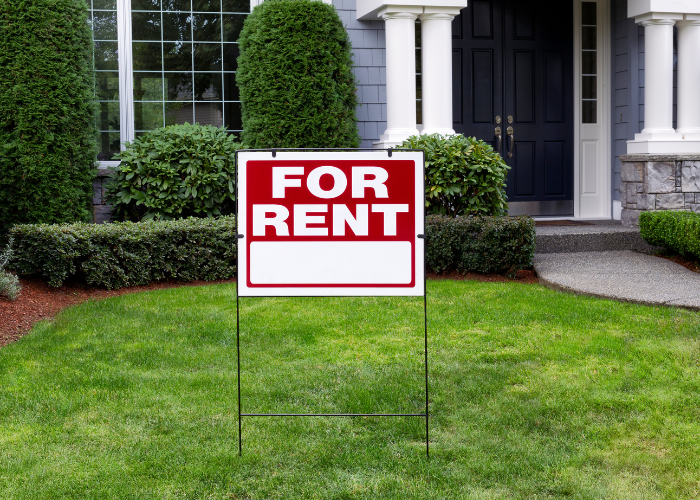
What Kind of Flooring Should You Install in Your Rental Property?

Ascent Property Management • December 8, 2021

Remodeling your rental property is more than selecting stylish finishes. With so many products available on the market, you may be trying to sort out which one is right for you.


Let’s get started by some of the questions you should be considering. Is it most important that the product is easy to install since you’re doing the project yourself? In need something budget friendly? Or maybe, you’re most concerned about the longevity of the flooring.


Each type of flooring has its own set of pros and cons, so be sure to carefully weigh them and what works for you.


Luxury Vinyl Plank Flooring

This option is very popular amongst rental property and homeowners for many reasons. With the durability, anti-scratch, and waterproof material at a very reasonable cost for a variety of styles, you almost can’t go wrong with this choice. 


Hardwood Flooring

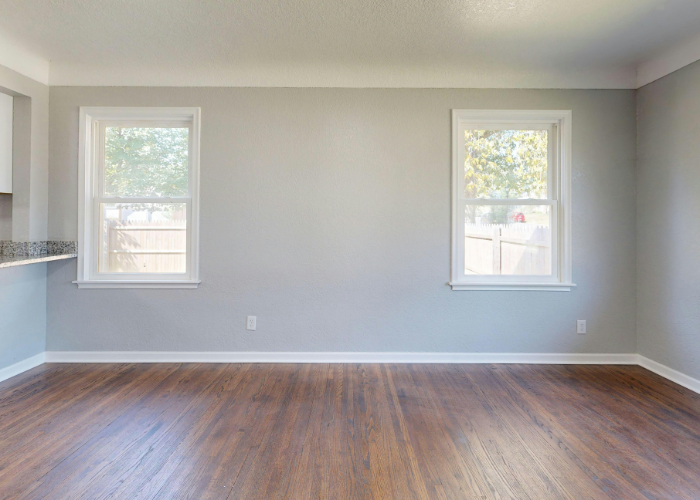
Beautiful real hardwood flooring can add character to a home and comes in a variety of sizes and colors. Not only are they durable, but they can also be sanded to removed scratches and even to change their color. The materials themselves tend to be more expensive, and hardwood floor installation is better left to the professionals, making it not the most affordable option.


Carpet Flooring

While whole carpeted homes are no longer in trend, many renters still appreciate carpeted bedrooms. Their softness also makes them a great candidate for children and the elderly. You’ll still want to hire a professional to install carpet, but it’s cheaper than installing hardwood floors. For those who have allergies or any breathing issues, carpet is not the best option for their health. 


Okay But – Which Should I Go With?

We get it. The above options are just a small snippet of what’s available to you. If you’re in need of specific recommendations for your rental property, let us know and we’d be happy to recommend a vendor that can help you.


Obtained through the extensive relationships we’ve developed in the communities we serve, Ascent Property Management is able to provide a wide trusted network of vendors throughout the County, as well as a convenient internet marketplace with secure log-in where owners and tenants can pay rent, request maintenance, screen tenants, and more. If you’re in need of property management assistance, you can reach us at 760-994-5037 or info@ascentpropertymanagement.com.

By Ascent Property Management January 22, 2026
As of January 1, 2026, a major change to California rental law is now in effect, impacting landlords and property owners statewide. Under Assembly Bill 628 , residential rental properties must now include a working refrigerator and stove as part of the basic standards for habitability. These appliances are no longer considered optional, they are now legally required for most rental units. Historically, many California rentals, especially in competitive urban markets, were leased without refrigerators or stoves, placing the burden on tenants to purchase and move their own appliances. This new law aims to relieve that financial strain and ensure safe, functional kitchens for renters. Going forward, any lease that is entered into, renewed, or amended on or after January 1, 2026, must comply with this updated requirement. The law specifies that both appliances must be in good working condition and capable of safely storing food and generating heat for cooking. If a refrigerator or stove becomes defective or is subject to a manufacturer recall, the landlord is responsible for repairing or replacing the appliance, typically within 30 days of receiving notice. While tenants may still choose to use their own refrigerator, this arrangement must be clearly documented in writing within the lease agreement. There are limited exceptions to this law, including certain types of housing such as permanent supportive housing, single-room occupancy units with shared kitchens, residential hotels, and facilities that offer communal cooking spaces. For most single-family homes, apartments, duplexes, and multi-family properties, however, this law applies in full. For landlords, this change means additional planning, budgeting, and documentation. Property owners should review their current lease agreements, inventory existing appliances, and ensure compliance prior to new lease signings or renewals. Failing to meet these requirements may expose landlords to habitability claims, rent withholding, repair-and-deduct actions, or potential legal disputes. At Ascent Property Management , we stay ahead of changing laws so our clients don’t have to. Our team actively monitors legislative updates, ensures properties meet compliance standards, and manages appliance installation, maintenance, and documentation. Whether you own one rental or an entire portfolio, APM helps protect your investment, minimize risk, and deliver a seamless experience for both owners and tenants. If you have questions about how this new law impacts your rental property, we're here to guide you every step of the way.
By Ascent Property Management December 29, 2025
Owning a rental property can be an exciting step in building long-term wealth, but it also comes with a wide range of responsibilities. While managing your own property may seem straightforward at first, the day-to-day demands can quickly add up. From handling maintenance requests and communicating with tenants to addressing unexpected issues and staying compliant with local regulations, landlords often find themselves juggling more than they anticipated. Many property owners choose to self-manage, while others work with a professional property management company. The amount of time required to manage a rental can vary widely depending on the number of properties you own, your systems, and the level of tenant involvement needed. How much time does self-managing really take? Industry research suggests that landlords who manage their own rentals typically spend several hours each month per property. Time is often divided among addressing tenant concerns, coordinating repairs, collecting rent, handling paperwork, and managing inspections or marketing when a unit becomes vacant. While this may sound manageable for a single property, the workload increases with each additional unit you own. It’s also common for landlords to feel stretched thin, especially when property management responsibilities are added on top of a full-time job or other commitments. Why time commitments vary No two rental properties are the same. Seasonal maintenance needs, tenant turnover, and regional factors can all impact how much attention a property requires. A rental in Southern California, for example, has very different upkeep needs than one in a colder climate. The systems you have in place (such as automated rent collection or maintenance tracking) also play a major role in how efficiently you can manage your investment. When professional management makes sense For many property owners, self-managing simply isn’t the best use of their time. Partnering with a professional property management company allows you to hand off the day-to-day responsibilities to experienced experts. A property manager can oversee maintenance, tenant communication, compliance, and financial reporting, giving you peace of mind and more time to focus on other priorities. Ascent Property Management Being a landlord requires a significant time investment, especially when managing multiple properties or balancing other professional obligations. While tools and systems can help, the right support can make all the difference. With professional management and the right resources in place, the challenges of rental ownership become far more manageable, allowing you to enjoy the benefits of your investment without the constant demands on your time.
By Ascent Property Management November 25, 2025
Buying your first rental property is an exciting step toward building long-term wealth, but it’s also a decision that requires clear planning, realistic budgeting, and a strong understanding of local regulations. At Ascent Property Management, we’ve helped new investors navigate these decisions every day. Here’s what you should know before taking the leap into rental ownership. Understand the True Costs of a Rental Property The financial structure of a rental home is very different from owning a primary residence. Expenses extend far beyond your mortgage payment, and it’s important to budget for all of them upfront. Rental properties typically require different insurance coverage than an owner-occupied home, landlord insurance often costs more because it must cover tenant-related risks, property damage, and sometimes vacancy. You’ll also need to factor in ongoing wear and tear , which tends to be higher in rentals due to turnover and general use. Additionally, if you plan to use a professional management company , build in monthly management fees and the cost of maintenance coordination. These expenses are predictable and often well worth it, but they should be part of your initial investment analysis. A rental property may look profitable on paper, but the numbers only work if you’ve accounted for the full picture. Know Your Landlord-Tenant Laws Real estate laws change frequently, and rental laws change even faster. Before purchasing a rental home, familiarize yourself with local landlord-tenant regulations, including habitability requirements, notice periods, eviction procedures, and security deposit rules. Many new investors underestimate how critical this step is. Even small mistakes, such as using the wrong lease agreement or mishandling a deposit, can result in penalties or legal issues. Staying informed protects both you and your future tenants. If you choose to work with a property management company, they will typically stay up-to-date on all regulations on your behalf. Keep Emotions Out of the Process It’s natural to have emotional reactions when you’re buying or renting out a property, but investment decisions should be guided by data, not feelings. Whether you “love” the home or feel frustrated by tenant damage, emotions shouldn’t influence your long-term strategy. Successful rental ownership is built on objectivity : Does the property cash flow? Does the location support strong rental demand? Does the condition of the home align with your budget? Answering these questions clearly will set you up for sustainable results. Ascent Property Management At Ascent Property Management, we help new and experienced investors navigate every stage of owning a rental property, from screening tenants and coordinating maintenance to ensuring full legal compliance. Our team stays current on local and state regulations, manages day-to-day operations, and provides transparent reporting so you can focus on building long-term wealth with confidence. Whether you’re purchasing your first rental or expanding your portfolio, APM is here to support you every step of the way.
By Ascent Property Management September 17, 2025
San Diego may be known for its sunshine year-round, but fall still brings one of the season’s best traditions: pumpkin patches. Whether you’re looking for family-friendly outings or just the perfect pumpkin, San Diego has plenty of options. At Ascent Property Management, we pride ourselves on being more than rental experts—we’re also local experts, keeping up with everything from community happenings to housing market data. Here are some of the top spots to visit this pumpkin season. Bates Nut Farm – Valley Center Bates Nut Farm is a San Diego institution. Families travel from all over the county to enjoy hayrides, a straw maze, live music, and of course, an impressive selection of pumpkins. It’s one of the best places to experience fall traditions in Southern California. Pumpkin Station – Multiple Locations With convenient locations in Del Mar, Mission Valley, Bonita, and Rancho Bernardo, Pumpkin Station makes celebrating fall easy no matter where you live in San Diego. Each spot features rides, games, and plenty of pumpkins to choose from. Oma’s Pumpkin Patch – Lakeside Oma’s has been bringing fall fun to San Diego families for years. Kids love the cottonseed mountain, tractor rides, and themed play areas, while adults appreciate the variety of pumpkins and gourds available. Mountain Valley Ranch – Ramona For those up for a scenic drive, Mountain Valley Ranch delivers a true country pumpkin patch experience. Along with rows of pumpkins, visitors will find a corn maze, sunflower fields, and even a petting zoo. Why We Share Local Insights At Ascent Property Management, we know that being successful in San Diego real estate means more than understanding contracts and rental laws—it’s about understanding the community. From seasonal events like pumpkin patches to important housing data, we make it our job to stay connected to what’s happening locally. This knowledge helps us guide property owners with confidence, ensuring their investments thrive in the unique San Diego market. 
Show More

Share this post

By Ascent Property Management January 22, 2026
As of January 1, 2026, a major change to California rental law is now in effect, impacting landlords and property owners statewide. Under Assembly Bill 628 , residential rental properties must now include a working refrigerator and stove as part of the basic standards for habitability. These appliances are no longer considered optional, they are now legally required for most rental units. Historically, many California rentals, especially in competitive urban markets, were leased without refrigerators or stoves, placing the burden on tenants to purchase and move their own appliances. This new law aims to relieve that financial strain and ensure safe, functional kitchens for renters. Going forward, any lease that is entered into, renewed, or amended on or after January 1, 2026, must comply with this updated requirement. The law specifies that both appliances must be in good working condition and capable of safely storing food and generating heat for cooking. If a refrigerator or stove becomes defective or is subject to a manufacturer recall, the landlord is responsible for repairing or replacing the appliance, typically within 30 days of receiving notice. While tenants may still choose to use their own refrigerator, this arrangement must be clearly documented in writing within the lease agreement. There are limited exceptions to this law, including certain types of housing such as permanent supportive housing, single-room occupancy units with shared kitchens, residential hotels, and facilities that offer communal cooking spaces. For most single-family homes, apartments, duplexes, and multi-family properties, however, this law applies in full. For landlords, this change means additional planning, budgeting, and documentation. Property owners should review their current lease agreements, inventory existing appliances, and ensure compliance prior to new lease signings or renewals. Failing to meet these requirements may expose landlords to habitability claims, rent withholding, repair-and-deduct actions, or potential legal disputes. At Ascent Property Management , we stay ahead of changing laws so our clients don’t have to. Our team actively monitors legislative updates, ensures properties meet compliance standards, and manages appliance installation, maintenance, and documentation. Whether you own one rental or an entire portfolio, APM helps protect your investment, minimize risk, and deliver a seamless experience for both owners and tenants. If you have questions about how this new law impacts your rental property, we're here to guide you every step of the way.
By Ascent Property Management December 29, 2025
Owning a rental property can be an exciting step in building long-term wealth, but it also comes with a wide range of responsibilities. While managing your own property may seem straightforward at first, the day-to-day demands can quickly add up. From handling maintenance requests and communicating with tenants to addressing unexpected issues and staying compliant with local regulations, landlords often find themselves juggling more than they anticipated. Many property owners choose to self-manage, while others work with a professional property management company. The amount of time required to manage a rental can vary widely depending on the number of properties you own, your systems, and the level of tenant involvement needed. How much time does self-managing really take? Industry research suggests that landlords who manage their own rentals typically spend several hours each month per property. Time is often divided among addressing tenant concerns, coordinating repairs, collecting rent, handling paperwork, and managing inspections or marketing when a unit becomes vacant. While this may sound manageable for a single property, the workload increases with each additional unit you own. It’s also common for landlords to feel stretched thin, especially when property management responsibilities are added on top of a full-time job or other commitments. Why time commitments vary No two rental properties are the same. Seasonal maintenance needs, tenant turnover, and regional factors can all impact how much attention a property requires. A rental in Southern California, for example, has very different upkeep needs than one in a colder climate. The systems you have in place (such as automated rent collection or maintenance tracking) also play a major role in how efficiently you can manage your investment. When professional management makes sense For many property owners, self-managing simply isn’t the best use of their time. Partnering with a professional property management company allows you to hand off the day-to-day responsibilities to experienced experts. A property manager can oversee maintenance, tenant communication, compliance, and financial reporting, giving you peace of mind and more time to focus on other priorities. Ascent Property Management Being a landlord requires a significant time investment, especially when managing multiple properties or balancing other professional obligations. While tools and systems can help, the right support can make all the difference. With professional management and the right resources in place, the challenges of rental ownership become far more manageable, allowing you to enjoy the benefits of your investment without the constant demands on your time.
By Ascent Property Management November 25, 2025
Buying your first rental property is an exciting step toward building long-term wealth, but it’s also a decision that requires clear planning, realistic budgeting, and a strong understanding of local regulations. At Ascent Property Management, we’ve helped new investors navigate these decisions every day. Here’s what you should know before taking the leap into rental ownership. Understand the True Costs of a Rental Property The financial structure of a rental home is very different from owning a primary residence. Expenses extend far beyond your mortgage payment, and it’s important to budget for all of them upfront. Rental properties typically require different insurance coverage than an owner-occupied home, landlord insurance often costs more because it must cover tenant-related risks, property damage, and sometimes vacancy. You’ll also need to factor in ongoing wear and tear , which tends to be higher in rentals due to turnover and general use. Additionally, if you plan to use a professional management company , build in monthly management fees and the cost of maintenance coordination. These expenses are predictable and often well worth it, but they should be part of your initial investment analysis. A rental property may look profitable on paper, but the numbers only work if you’ve accounted for the full picture. Know Your Landlord-Tenant Laws Real estate laws change frequently, and rental laws change even faster. Before purchasing a rental home, familiarize yourself with local landlord-tenant regulations, including habitability requirements, notice periods, eviction procedures, and security deposit rules. Many new investors underestimate how critical this step is. Even small mistakes, such as using the wrong lease agreement or mishandling a deposit, can result in penalties or legal issues. Staying informed protects both you and your future tenants. If you choose to work with a property management company, they will typically stay up-to-date on all regulations on your behalf. Keep Emotions Out of the Process It’s natural to have emotional reactions when you’re buying or renting out a property, but investment decisions should be guided by data, not feelings. Whether you “love” the home or feel frustrated by tenant damage, emotions shouldn’t influence your long-term strategy. Successful rental ownership is built on objectivity : Does the property cash flow? Does the location support strong rental demand? Does the condition of the home align with your budget? Answering these questions clearly will set you up for sustainable results. Ascent Property Management At Ascent Property Management, we help new and experienced investors navigate every stage of owning a rental property, from screening tenants and coordinating maintenance to ensuring full legal compliance. Our team stays current on local and state regulations, manages day-to-day operations, and provides transparent reporting so you can focus on building long-term wealth with confidence. Whether you’re purchasing your first rental or expanding your portfolio, APM is here to support you every step of the way.
Show More