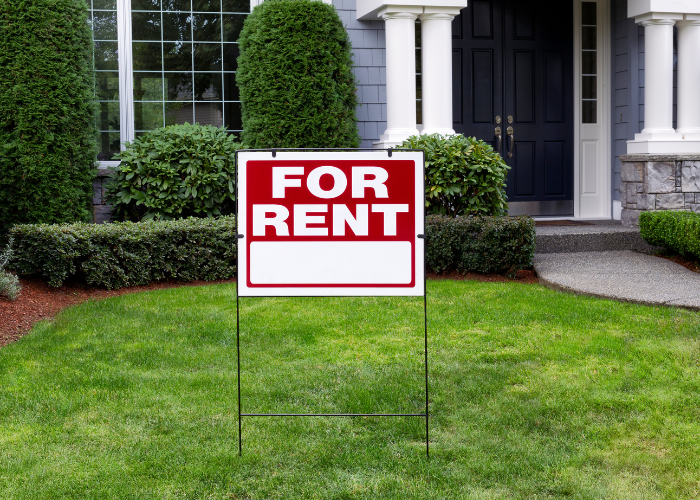
Navigating the Role of an Accidental Landlord in San Diego

Ascent Property Management • December 18, 2023

In the ever-changing landscape of homeownership, thousands find themselves at a crossroads pondering an unexpected decision – the prospect of becoming a landlord. The catalyst? The millions who secured a mortgage or refinanced in 2020 or 2021, with a mortgage interest rate of 3% or less. 


Whether you find yourself in this situation or are actively seeking guidance on managing your property, read on for practical tips and sanity-saving tricks to make this unexpected journey a successful one.

Understanding the Market

As the housing market in San Diego continues to evolve, it's crucial to stay informed about local rental trends. Keeping an eye on property values, rental rates, and demand in your neighborhood will help you make informed decisions about your investment.

Legalities and Paperwork

Becoming an accidental landlord means you'll need to familiarize yourself with the legal aspects of renting out your property. Ensure that you're well-versed in San Diego's rental laws, lease agreements, and any required permits. Staying compliant will protect both you and your tenants.

Tenant Screening

Screening potential tenants is a critical step in securing responsible occupants for your property. Conduct thorough background checks, verify employment and references, and set clear expectations to create a positive landlord-tenant relationship.

Property Maintenance

Regular maintenance is key to keeping your property in top condition and retaining its value. Addressing issues promptly will contribute to tenant satisfaction and reduce the likelihood of major repairs down the road.


Communication is Key

Establishing open lines of communication with your tenants fosters a positive rental experience. Respond promptly to inquiries and address concerns promptly to maintain a healthy landlord-tenant relationship.


Ascent Property Management 

Our experienced team specializes in helping property owners seamlessly manage their investments. From tenant placement and lease management to property maintenance and legal compliance, we offer comprehensive solutions tailored to the unique needs of San Diego landlords. 
By Ascent Property Management June 18, 2026
Summer brings more than just warm weather, for property managers, it means staying ahead of heat waves and drought conditions that can affect both tenant safety and your property's long-term value. A proactive approach this season can make all the difference. Getting Properties Heat-Ready Before temperatures peak, take steps to reduce heat absorption at your properties. Consider lighter exterior paint colors, reflective roof coatings, and window treatments that deflect direct sunlight. Exterior awnings, shade structures, and strategically planted trees can also help keep buildings cooler without ongoing costs. Just as important is communicating with tenants ahead of time. A well-timed notice can help residents prepare, particularly those who may be more vulnerable, such as elderly tenants or families with young children. Encourage them to sign up for local heat alerts, put together basic emergency kits, and have a plan in case of a power outage. Make sure they also know who to contact at the property if cooling systems fail. Making Smart Property Upgrades Rather than relying solely on tenant behavior to conserve water, consider investing in upgrades that reduce consumption automatically. Low-flow showerheads and faucet aerators are cost-effective options that maintain water pressure while cutting usage. Energy-efficient appliances like dishwashers and in-unit washers can also have a meaningful impact over time. On the exterior, rethinking landscaping is one of the highest-leverage changes you can make. Native plants adapted to local conditions require far less water than traditional lawns. Ground covers like clover offer a resilient, low-maintenance alternative to grass. Where traditional landscaping is maintained, switching to drip irrigation reduces evaporation significantly compared to sprinkler systems, and early morning watering schedules help preserve whatever water is used. The Bottom Line Summer heat and drought aren't just weather events, they're property management challenges that reward preparation. By combining smart property upgrades, clear tenant communication, and awareness of local regulations, Ascent Property Management can keep properties running smoothly and tenants safe through even the hottest months.
By Ascent Property Management May 26, 2026
San Diego voters will head to the polls on June 2nd to decide on Measure A, also known as the Non-Primary Home Tax. If it passes, it could have real implications for property owners across the city. What Is Measure A? Measure A would apply to vacant homes that are not claimed as a primary residence, with a tax of $8,000 in the first year and $10,000 every following year. Corporate-owned empty homes would face an additional surcharge on top of that. A home would be subject to the tax if it is unoccupied for 183 days or more per calendar year. If approved by voters, the tax would take effect on January 1, 2027, with payments due annually by April 1 for the prior calendar year. Why It Matters for Landlords The measure targets more than 5,000 homes that currently sit vacant for more than half the year in the city of San Diego. If your property is a second home or investment property that isn't consistently rented, it could fall within scope. The goal of the measure is twofold: supporters say it will generate meaningful revenue to protect city services while also encouraging homeowners to rent out their homes to long-term residents, thereby easing the housing shortage. Opponents argue the measure is unconstitutional, unfair to homeowners, and likely to face costly legal challenges. It's worth noting that a similar tax in San Francisco was struck down and ruled unconstitutional, with officials there stopping collection while appealing the decision. The Takeaway Regardless of how the vote goes, Measure A is a reminder that the regulatory environment for San Diego landlords continues to evolve. If you have questions about how local regulations affect your rental, Ascent Property Management is here to help.
By Ascent Property Management April 28, 2026
Vacancy is one of the most costly challenges a rental property owner can face. The good news is that tenant turnover usually happens with warning. If you know what to look for, you can get ahead of it before the unit sits empty. Watch for These Early Warning Signs One of the most telling indicators is a drop in communication. When a tenant who once responded quickly starts going quiet (especially around lease renewal time) it may signal they're already looking elsewhere. Similarly, if maintenance requests suddenly stop, it could mean they've mentally "checked out" and are no longer invested in the property. Pay attention to lifestyle changes as well. A tenant who recently got married, had a child, changed jobs, or mentioned wanting more space may be outgrowing your unit. These conversations, even casual ones, are worth noting. Another red flag: tenants who start asking detailed questions about their move-out process, security deposit deductions, or cleaning requirements well before their lease end date. These aren't always signs of a problem, but they're often signs of a plan. Why It Pays to Pay Attention Recognizing these signs early gives you options. How you respond, and when, can make a significant difference in whether your property stays occupied or sits vacant between tenants. Every situation is different, and the right approach depends on the specifics of your property, your tenant, and current market conditions. That's where having an experienced property management team in your corner makes all the difference. Rather than navigating those decisions alone, you have someone who can assess the situation and help you respond in a way that protects your investment. At Ascent Property Management, staying ahead of vacancies is part of what we do every day. If you're unsure how to approach an upcoming lease renewal, we're happy to talk it through.
By Ascent Property Management February 25, 2026
The body content of your post goes here. To edit this text, click on it and delete this default text and start typing your own or paste your own from a different source.
Show More

Share this post

By Ascent Property Management June 18, 2026
Summer brings more than just warm weather, for property managers, it means staying ahead of heat waves and drought conditions that can affect both tenant safety and your property's long-term value. A proactive approach this season can make all the difference. Getting Properties Heat-Ready Before temperatures peak, take steps to reduce heat absorption at your properties. Consider lighter exterior paint colors, reflective roof coatings, and window treatments that deflect direct sunlight. Exterior awnings, shade structures, and strategically planted trees can also help keep buildings cooler without ongoing costs. Just as important is communicating with tenants ahead of time. A well-timed notice can help residents prepare, particularly those who may be more vulnerable, such as elderly tenants or families with young children. Encourage them to sign up for local heat alerts, put together basic emergency kits, and have a plan in case of a power outage. Make sure they also know who to contact at the property if cooling systems fail. Making Smart Property Upgrades Rather than relying solely on tenant behavior to conserve water, consider investing in upgrades that reduce consumption automatically. Low-flow showerheads and faucet aerators are cost-effective options that maintain water pressure while cutting usage. Energy-efficient appliances like dishwashers and in-unit washers can also have a meaningful impact over time. On the exterior, rethinking landscaping is one of the highest-leverage changes you can make. Native plants adapted to local conditions require far less water than traditional lawns. Ground covers like clover offer a resilient, low-maintenance alternative to grass. Where traditional landscaping is maintained, switching to drip irrigation reduces evaporation significantly compared to sprinkler systems, and early morning watering schedules help preserve whatever water is used. The Bottom Line Summer heat and drought aren't just weather events, they're property management challenges that reward preparation. By combining smart property upgrades, clear tenant communication, and awareness of local regulations, Ascent Property Management can keep properties running smoothly and tenants safe through even the hottest months.
By Ascent Property Management May 26, 2026
San Diego voters will head to the polls on June 2nd to decide on Measure A, also known as the Non-Primary Home Tax. If it passes, it could have real implications for property owners across the city. What Is Measure A? Measure A would apply to vacant homes that are not claimed as a primary residence, with a tax of $8,000 in the first year and $10,000 every following year. Corporate-owned empty homes would face an additional surcharge on top of that. A home would be subject to the tax if it is unoccupied for 183 days or more per calendar year. If approved by voters, the tax would take effect on January 1, 2027, with payments due annually by April 1 for the prior calendar year. Why It Matters for Landlords The measure targets more than 5,000 homes that currently sit vacant for more than half the year in the city of San Diego. If your property is a second home or investment property that isn't consistently rented, it could fall within scope. The goal of the measure is twofold: supporters say it will generate meaningful revenue to protect city services while also encouraging homeowners to rent out their homes to long-term residents, thereby easing the housing shortage. Opponents argue the measure is unconstitutional, unfair to homeowners, and likely to face costly legal challenges. It's worth noting that a similar tax in San Francisco was struck down and ruled unconstitutional, with officials there stopping collection while appealing the decision. The Takeaway Regardless of how the vote goes, Measure A is a reminder that the regulatory environment for San Diego landlords continues to evolve. If you have questions about how local regulations affect your rental, Ascent Property Management is here to help.
By Ascent Property Management April 28, 2026
Vacancy is one of the most costly challenges a rental property owner can face. The good news is that tenant turnover usually happens with warning. If you know what to look for, you can get ahead of it before the unit sits empty. Watch for These Early Warning Signs One of the most telling indicators is a drop in communication. When a tenant who once responded quickly starts going quiet (especially around lease renewal time) it may signal they're already looking elsewhere. Similarly, if maintenance requests suddenly stop, it could mean they've mentally "checked out" and are no longer invested in the property. Pay attention to lifestyle changes as well. A tenant who recently got married, had a child, changed jobs, or mentioned wanting more space may be outgrowing your unit. These conversations, even casual ones, are worth noting. Another red flag: tenants who start asking detailed questions about their move-out process, security deposit deductions, or cleaning requirements well before their lease end date. These aren't always signs of a problem, but they're often signs of a plan. Why It Pays to Pay Attention Recognizing these signs early gives you options. How you respond, and when, can make a significant difference in whether your property stays occupied or sits vacant between tenants. Every situation is different, and the right approach depends on the specifics of your property, your tenant, and current market conditions. That's where having an experienced property management team in your corner makes all the difference. Rather than navigating those decisions alone, you have someone who can assess the situation and help you respond in a way that protects your investment. At Ascent Property Management, staying ahead of vacancies is part of what we do every day. If you're unsure how to approach an upcoming lease renewal, we're happy to talk it through.
Show More