Multigenerational Housing Solutions

Ascent Property Management • December 12, 2023

As the cost of living grows, the concept of multigenerational housing is gaining traction in the United States, especially in cities like San Diego. Managing properties catering to multiple generations living together presents both challenges and unique opportunities for landlords and property managers.

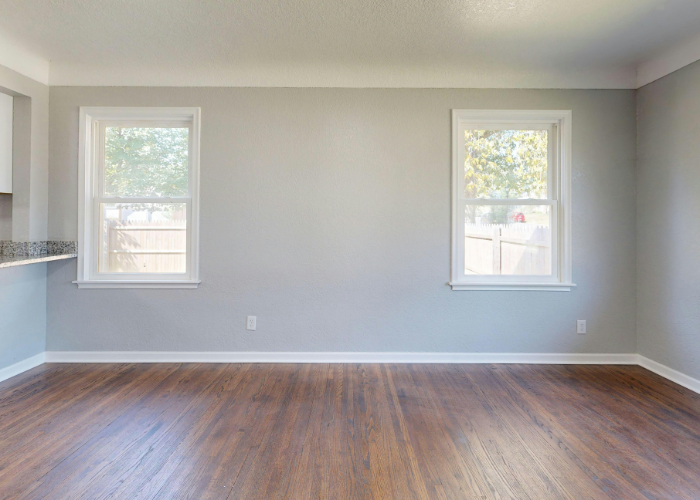
living room kitchen area

Challenges


Diverse Needs and Preferences

Meeting the varied needs and preferences of different generations within a single property can be complex. From young children to elderly individuals, each age group has specific requirements, and finding a balance that caters to everyone can be challenging.


Privacy Concerns

Maintaining privacy is crucial in any living situation, and it becomes even more pronounced in multigenerational housing. Balancing the need for private spaces with communal areas requires thoughtful design and management to ensure all residents feel comfortable.


Accessibility and Safety

Properties accommodating various age groups must be designed with accessibility and safety in mind. Ensuring that the living spaces are safe and easily navigable for both children and the elderly is a critical consideration.

Kitchen and eating area

Opportunities


Shared Responsibilities

Multigenerational living provides an opportunity for shared responsibilities, from childcare to household chores. This communal approach can foster a sense of cooperation and support among family members.


Interconnected Support Systems

Older family members can provide valuable wisdom and support to younger generations, while younger members can assist with technology or physical tasks. This interconnected support system creates a nurturing environment for all.


Cost Sharing

Multigenerational living can alleviate financial burdens by allowing families to share housing costs. This can include rent or mortgage payments, utilities, and other household expenses.


Ascent Property Management

Ascent understands the need for successful multigenerational housing solutions. Our commitment to privacy and accessibility ensures that every tenant feels valued and respected. If you need assistance in managing your San Diego property, schedule a complimentary consultation today.
By Ascent Property Management May 26, 2026
San Diego voters will head to the polls on June 2nd to decide on Measure A, also known as the Non-Primary Home Tax. If it passes, it could have real implications for property owners across the city. What Is Measure A? Measure A would apply to vacant homes that are not claimed as a primary residence, with a tax of $8,000 in the first year and $10,000 every following year. Corporate-owned empty homes would face an additional surcharge on top of that. A home would be subject to the tax if it is unoccupied for 183 days or more per calendar year. If approved by voters, the tax would take effect on January 1, 2027, with payments due annually by April 1 for the prior calendar year. Why It Matters for Landlords The measure targets more than 5,000 homes that currently sit vacant for more than half the year in the city of San Diego. If your property is a second home or investment property that isn't consistently rented, it could fall within scope. The goal of the measure is twofold: supporters say it will generate meaningful revenue to protect city services while also encouraging homeowners to rent out their homes to long-term residents, thereby easing the housing shortage. Opponents argue the measure is unconstitutional, unfair to homeowners, and likely to face costly legal challenges. It's worth noting that a similar tax in San Francisco was struck down and ruled unconstitutional, with officials there stopping collection while appealing the decision. The Takeaway Regardless of how the vote goes, Measure A is a reminder that the regulatory environment for San Diego landlords continues to evolve. If you have questions about how local regulations affect your rental, Ascent Property Management is here to help.
By Ascent Property Management April 28, 2026
Vacancy is one of the most costly challenges a rental property owner can face. The good news is that tenant turnover usually happens with warning. If you know what to look for, you can get ahead of it before the unit sits empty. Watch for These Early Warning Signs One of the most telling indicators is a drop in communication. When a tenant who once responded quickly starts going quiet (especially around lease renewal time) it may signal they're already looking elsewhere. Similarly, if maintenance requests suddenly stop, it could mean they've mentally "checked out" and are no longer invested in the property. Pay attention to lifestyle changes as well. A tenant who recently got married, had a child, changed jobs, or mentioned wanting more space may be outgrowing your unit. These conversations, even casual ones, are worth noting. Another red flag: tenants who start asking detailed questions about their move-out process, security deposit deductions, or cleaning requirements well before their lease end date. These aren't always signs of a problem, but they're often signs of a plan. Why It Pays to Pay Attention Recognizing these signs early gives you options. How you respond, and when, can make a significant difference in whether your property stays occupied or sits vacant between tenants. Every situation is different, and the right approach depends on the specifics of your property, your tenant, and current market conditions. That's where having an experienced property management team in your corner makes all the difference. Rather than navigating those decisions alone, you have someone who can assess the situation and help you respond in a way that protects your investment. At Ascent Property Management, staying ahead of vacancies is part of what we do every day. If you're unsure how to approach an upcoming lease renewal, we're happy to talk it through.
By Ascent Property Management February 25, 2026
The body content of your post goes here. To edit this text, click on it and delete this default text and start typing your own or paste your own from a different source.
By Ascent Property Management February 19, 2026
If you own a rental property in San Diego, it's worth understanding the bigger picture around housing supply in the region. While cities like Dallas, Austin, and Phoenix added tens of thousands of new apartment units in 2025, San Diego's numbers hit around 4,700. That gap has real implications for the rental market here, for better and for worse. Supply Is Lagging. Demand Isn't. According to a RentCafe analysis of Yardi data, San Diego ranked well outside the top ten metros for new apartment construction in 2025. Compare that to New York (30,000 units), Austin (27,000), or even Charlotte (17,000), and it's clear San Diego is in a different category entirely. That's not for lack of trying. The city has actually been picking up the pace, permitting an average of 9,200 homes over the past two years, more than 40% above where things stood at the start of the current state housing cycle. Uptown neighborhoods like Hillcrest, Mission Hills, and Bankers Hill led the way for new permits in 2024. But even with that momentum, the city is still falling short of California's mandated target of about 13,500 new units per year. The shortfall is real, and it affects everyone in the housing market, renters and owners alike. More Renters, Fewer Options It's no secret that homeownership in San Diego is out of reach for many residents. High purchase prices and elevated mortgage rates have kept a large portion of would-be buyers in the rental market longer than they'd probably like. And since most new construction skews toward luxury developments, affordable and mid-range rentals remain in short supply. What This Means if You Own Property Here San Diego's supply constraints aren't going away overnight. Even with California rolling back some environmental regulations to speed up permitting, large-scale development takes years to materialize. For now, existing rental properties tend to see stable occupancy as a result. That said, "low supply" doesn't mean "effortless." Renters today have higher expectations around responsiveness, property condition, and value, and California's landlord-tenant regulations continue to grow more complex. Staying competitive means staying on top of maintenance, pricing, and compliance. That's where professional property management makes a real difference. At Ascent Property Management , we help San Diego landlords navigate a complicated market responsibly and efficiently. From keeping your property occupied to staying ahead of local regulations, we handle the details so you can focus on the bigger picture. If you have questions about how the current market affects your property, we're happy to talk it through. Source: San Diego apartment construction trails other major U.S. cities in 2025 , Axios San Diego. Data via RentCafe analysis of Yardi data.
Show More

Share this post

By Ascent Property Management May 26, 2026
San Diego voters will head to the polls on June 2nd to decide on Measure A, also known as the Non-Primary Home Tax. If it passes, it could have real implications for property owners across the city. What Is Measure A? Measure A would apply to vacant homes that are not claimed as a primary residence, with a tax of $8,000 in the first year and $10,000 every following year. Corporate-owned empty homes would face an additional surcharge on top of that. A home would be subject to the tax if it is unoccupied for 183 days or more per calendar year. If approved by voters, the tax would take effect on January 1, 2027, with payments due annually by April 1 for the prior calendar year. Why It Matters for Landlords The measure targets more than 5,000 homes that currently sit vacant for more than half the year in the city of San Diego. If your property is a second home or investment property that isn't consistently rented, it could fall within scope. The goal of the measure is twofold: supporters say it will generate meaningful revenue to protect city services while also encouraging homeowners to rent out their homes to long-term residents, thereby easing the housing shortage. Opponents argue the measure is unconstitutional, unfair to homeowners, and likely to face costly legal challenges. It's worth noting that a similar tax in San Francisco was struck down and ruled unconstitutional, with officials there stopping collection while appealing the decision. The Takeaway Regardless of how the vote goes, Measure A is a reminder that the regulatory environment for San Diego landlords continues to evolve. If you have questions about how local regulations affect your rental, Ascent Property Management is here to help.
By Ascent Property Management April 28, 2026
Vacancy is one of the most costly challenges a rental property owner can face. The good news is that tenant turnover usually happens with warning. If you know what to look for, you can get ahead of it before the unit sits empty. Watch for These Early Warning Signs One of the most telling indicators is a drop in communication. When a tenant who once responded quickly starts going quiet (especially around lease renewal time) it may signal they're already looking elsewhere. Similarly, if maintenance requests suddenly stop, it could mean they've mentally "checked out" and are no longer invested in the property. Pay attention to lifestyle changes as well. A tenant who recently got married, had a child, changed jobs, or mentioned wanting more space may be outgrowing your unit. These conversations, even casual ones, are worth noting. Another red flag: tenants who start asking detailed questions about their move-out process, security deposit deductions, or cleaning requirements well before their lease end date. These aren't always signs of a problem, but they're often signs of a plan. Why It Pays to Pay Attention Recognizing these signs early gives you options. How you respond, and when, can make a significant difference in whether your property stays occupied or sits vacant between tenants. Every situation is different, and the right approach depends on the specifics of your property, your tenant, and current market conditions. That's where having an experienced property management team in your corner makes all the difference. Rather than navigating those decisions alone, you have someone who can assess the situation and help you respond in a way that protects your investment. At Ascent Property Management, staying ahead of vacancies is part of what we do every day. If you're unsure how to approach an upcoming lease renewal, we're happy to talk it through.
By Ascent Property Management February 25, 2026
The body content of your post goes here. To edit this text, click on it and delete this default text and start typing your own or paste your own from a different source.
Show More